

Warehouse Storage Solutions: Optimizing Logistics Efficiency
Smarter Storage Is the Backbone of Efficient Supply Chains
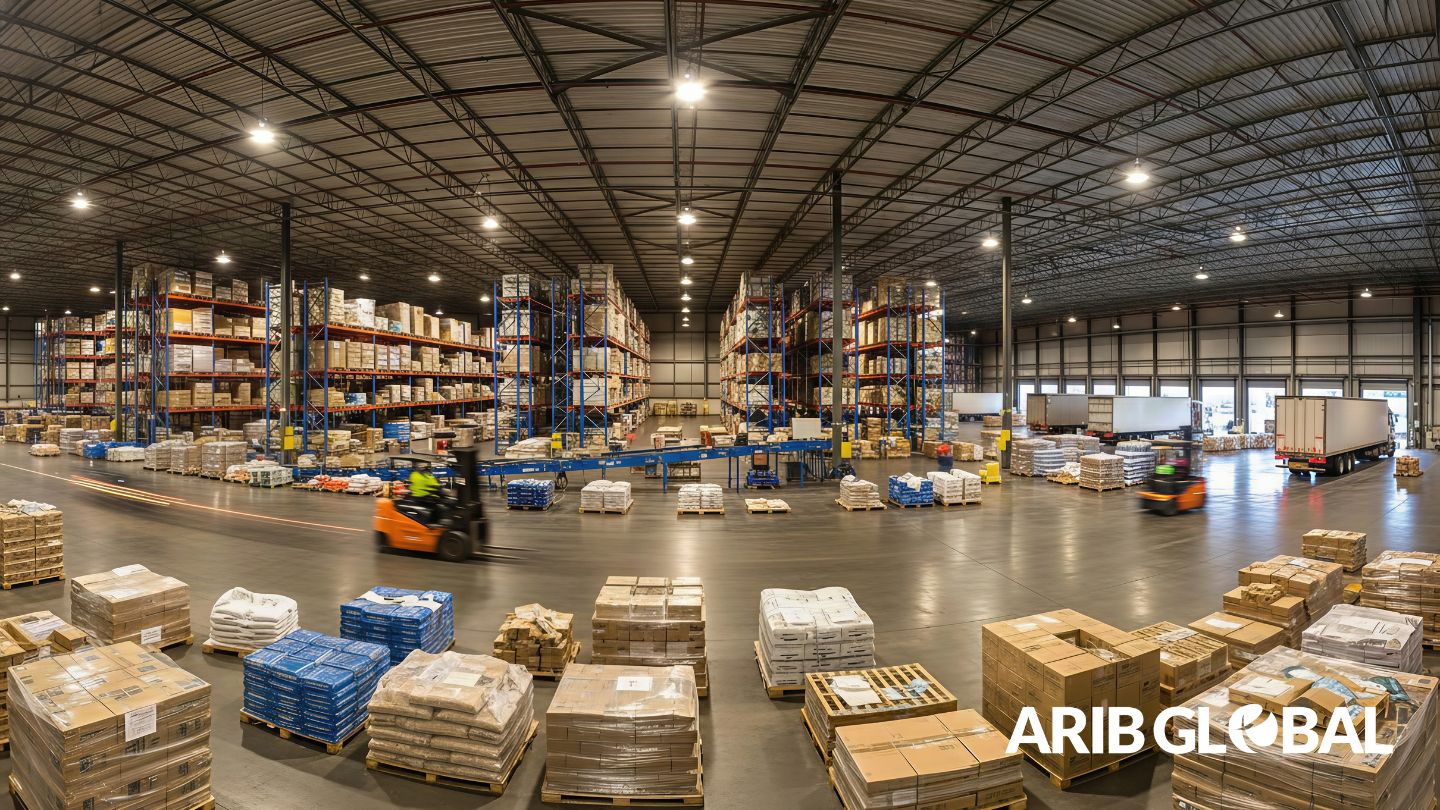
In today’s fast-moving supply chain environment, warehouse storage systems are no longer just about stacking pallets. Businesses require intelligent storage infrastructure that maximizes space, improves inventory visibility, and accelerates operational workflows.
From logistics hubs to industrial warehouses, the right racking and storage solutions can significantly improve operational efficiency while reducing handling costs.
At Arib Global, we work with organizations to design and implement warehouse storage environments that support scalability, safety, and long-term operational performance.
Why Warehouse Storage Design Matters
Efficient Storage Directly Impacts Operational Performance
Poor warehouse layout and inefficient storage systems often lead to:
➤ Congested aisles and slow material movement
➤ Difficulty accessing stored inventory
➤ Increased labor costs
➤ Inventory management errors
➤ Limited scalability for business growth
A well-designed storage system ensures that warehouses can store more inventory, move goods faster, and maintain better control over stock levels.
Key Warehouse Storage Systems Used in Modern Logistics
Storage Technologies That Improve Warehouse Performance
➤ Selective Pallet Racking
One of the most widely used storage systems, selective pallet racking provides direct access to every pallet in the warehouse. It is highly flexible and ideal for facilities handling a wide variety of products.
➤ Drive-In & Drive-Through Racking
These systems allow forklifts to enter the racking structure, enabling high-density storage for large volumes of similar inventory. They are commonly used in distribution centers handling bulk goods.
➤ Push Back Racking
Push back racking systems improve storage density while maintaining efficient pallet handling. Products are stored on inclined rails that allow pallets to move forward automatically when a pallet is removed.
➤ Cantilever Racking
Designed for storing long or irregular materials such as pipes, lumber, and steel components, cantilever racking systems are widely used in industrial warehouses.
➤ Mezzanine Storage Systems
Mezzanine structures create additional storage levels within existing warehouse space, allowing businesses to expand capacity without increasing facility size.
➤ Modular Industrial Shelving
These shelving systems support high-frequency picking operations and are ideal for smaller items, spare parts, and retail distribution inventory.
The Role of Storage Systems in Modern Logistics Operations
Supporting Faster and More Reliable Supply Chains
As supply chains become more complex, storage infrastructure must support higher inventory volumes, faster order processing, and improved operational visibility.
Well-designed storage systems help organizations:
➤ Increase warehouse storage capacity
➤ Improve inventory accuracy
➤ Speed up order fulfillment
➤ Enhance workplace safety
➤ Reduce operational costs
By combining intelligent layout planning with advanced storage technologies, companies can build warehouse environments that support both current operations and future growth.
How Arib Global Supports Warehouse Infrastructure Development
Storage Solutions Built for Modern Logistics Environments
Arib Global provides warehouse infrastructure and storage system consulting designed to help organizations optimize their logistics operations.
From evaluating facility layouts to recommending the right racking technologies, our approach focuses on building storage environments that improve operational efficiency and support long-term scalability.
By aligning warehouse infrastructure with supply chain strategy, businesses can create more agile, efficient, and resilient logistics networks.
Note: Warehouse storage systems are a critical component of modern logistics infrastructure. Businesses that invest in optimized storage environments gain better operational control, improved inventory management, and greater flexibility to scale as demand grows.
For companies looking to enhance their warehouse operations, implementing the right storage systems can make a measurable difference in both performance and profitability.
Comments
-
helpful information

Our Inventory Deployment Approach
Our methodology is built on a structured planning process designed to optimize stock availability and reduce operational inefficiencies.

Demand Analysis
We evaluate sales patterns, seasonal trends, and supply chain data to understand demand behavior.

Network Optimization
Inventory is strategically distributed across warehouses and fulfillment centers to reduce delivery time and transportation costs.

Capacity Alignment
Warehouse capacity, storage configurations, and logistics constraints are factored into the deployment strategy.

Continuous Optimization
Inventory performance is monitored and adjusted as business demand evolves.
Benefits of Strategic Inventory Deployment
Organizations that implement structured inventory deployment strategies gain measurable operational advantages:
➤ Faster order fulfillment and reduced delivery times
➤ Improved inventory visibility and control
➤ Reduced excess stock and holding costs
➤ Optimized warehouse utilization
➤ Enhanced supply chain resilience
By aligning inventory placement with operational demand, businesses can maintain consistent service levels while controlling logistics costs.

Industries That Benefit
Inventory deployment strategies are essential for organizations managing complex supply networks or high inventory volumes. Arib Global supports inventory optimization for:

E-commerce & Retail Businesses

Warehousing & Fulfillment Centers

Manufacturing Operations

Medical Environments

Logistics & Distribution Companies

Industrial Supply Networks
Each solution is tailored to meet industry-specific operational requirements and growth objectives
Expand Your Reach Through Strategic International Projects
Work With a Partner Focused on Global Impact. Arib Global actively engages in projects across healthcare logistics, technology infrastructure, and enterprise solutions. Our partners benefit from cross-border opportunities, industry expertise, and access to a growing network of global clients and stakeholders. By joining our partner ecosystem, organizations gain the opportunity to contribute to projects that improve healthcare delivery, strengthen supply chains, and advance technology infrastructure worldwide.

Why Organizations Choose Arib Global
Arib Global combines logistics expertise, operational insight, and data-driven methodologies to deliver inventory deployment strategies that create measurable impact. Our solutions focus on:

Structured logistics planning & optimization

Operational efficiency improvement for Longterm

Scalable supply chain systems performance

Data-backed decision frameworks
Talk to Our Logistics Experts
If your organization is facing challenges related to inventory placement, warehouse efficiency, or supply chain optimization, Arib Global can help. Contact our team to explore how our inventory deployment solutions can improve operational performance and support your long-term logistics strategy.
Leave a Reply